10 Essential Words to Help Your Toddler Communicate Effectively
the Power of Functional Words for Toddler Language Development and Why They Should Be Your First Focus!

Explore the benefits of teaching functional words to your toddler as they learn to communicate. In this post, you’ll find 10 essential words that can be easily integrated into daily routines, setting your child up for effective communication and reducing frustration.
If You Could Only Use 10 Words, What Would They Be?
Imagine you find yourself in a scenario where you can only express yourself using ten words.
What would those words be?
If we asked a room full of people to make their own list, we’d likely see some overlap and some unique words that reflect each person’s experiences and priorities.
So why does this matter? For toddlers just beginning to find their voice, the first words we model make a big difference. The vocabulary we introduce can empower them to express their thoughts, needs, and feelings—or limit them. Starting with words that have clear, functional meaning and wide application is especially important in the early stages of language development. These “power words” set the foundation for a child to effectively communicate with the world around them.
The Power of Functional Words
It’s easy to get excited about teaching our children numbers, ABCs, or even polite phrases like “please” and “thank you,” but for beginners, functional words are a stronger starting point. These are the words that have the greatest use in day-to-day life, helping toddlers get their needs met and express their ideas. Here are ten essential “power words” to start with:
Go
Up
Eat
Help
All done/Stop
More
On
Open
Me
Play
Think about it like this — If your toddler can only say five words and “please” and “thank you” are two of them, they’re likely not going to be able to express their wants and needs clearly and effectively as “up,” “more,” or “eat.”
If you’ve got our signature play guide, flip to page 67 and you’ll find a list of 50 power words and an interactive worksheet to tailor word selection to your child and family.
USE BABBLE TO BUILD VOCABULARY
If your child isn’t talking yet, we encourage you to listen to what sounds they use when they’re babbling.
Use those sounds to your advantage! Pair a sound to an actual word within the context of play or daily routines. For example, if they say “ah”, pair this with the word “on” and “up”. Everytime you turn the light on, say “on”! (Pro tip: hold out the vowel sound). Every time you pick your toddler up or put a toy car on top of a ramp say “up”!
We want to show our children that their voice has POWER and can make things happen! Remember that speech (articulation) doesn’t have to be perfect at this age and word approximations are okay!
Why Focus on Effective Communication?
When communication is effective, it makes life easier for you (less tantrums) and your toddler (less frustrations). It’s a win-win situation.
Effective communication doesn’t just ease daily interactions; it also builds a foundation for social skills, emotional regulation, and cognitive development. When children can articulate their needs and feelings, they are more likely to engage positively with their environment and the people within it. This creates opportunities for connection, understanding, and growth.
Practical Steps to Enhance Your Child’s Vocabulary
Observe Your Child’s Current Vocabulary
Grab a piece of paper and a pen, or open the notes app on your phone. Write down the words your toddler already uses.
Identify Functional Words
From the list you created, highlight the words that effectively communicate a want or need. This will help you see where your child is already communicating effectively and where there might be gaps. Are any of the words from our foundational list included?
Choose New Words to Introduce
Based on your observations, think about what ten words you would like to teach your child next. You could choose from the list provided or tailor your selection to fit your child’s unique experiences and interests. For example, if you have a family pet, words like “dog” or “cat” could be great additions. If they have a favorite toy or activity, words connected to those can also be meaningful choices.
Incorporate Words into Daily Life
Start using these words during play, meals, and routines! Model the words and provide plenty of opportunities for repetition and varied usage to reinforce understanding. The more more they hear and use these words, the more familiar they will become.
The Bigger Picture
By modeling functional words, we empower toddlers to express themselves and navigate their world with confidence.
This approach helps reduce frustration, fosters a deeper connection between you and your child, and sets a foundation for social, emotional, and cognitive growth.
Investing time in building a strong vocabulary now can have lasting benefits, supporting effective communication and confidence for years to come. Embrace the chance to enrich your child’s language skills—it’s a gift that will serve them their whole life.
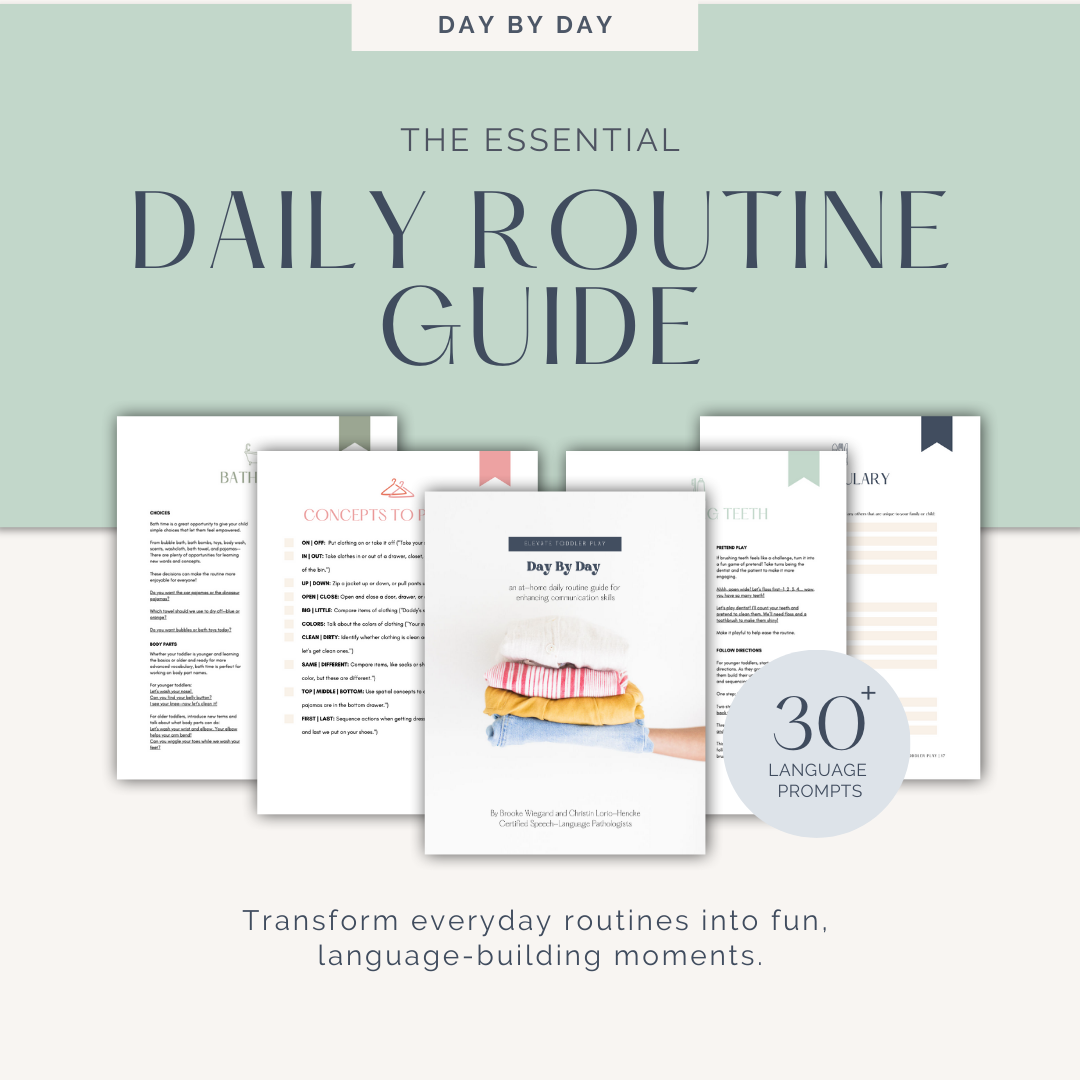
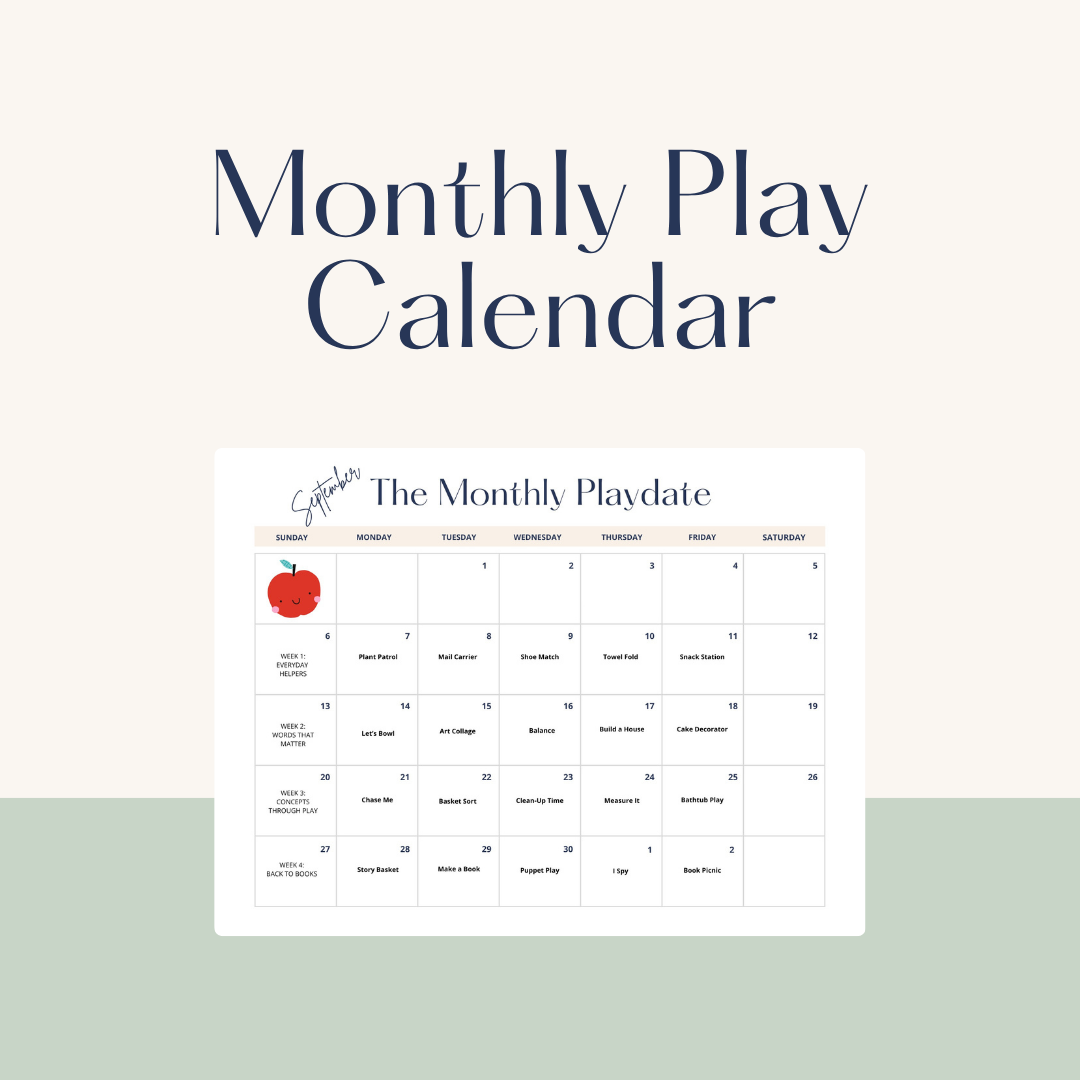
Unlock the Power of Play with Our Signature Play Guide
Ready to transform playtime into a powerful learning experience? The Play Guide is purposefully designed to give you everything you need from play prompts, early learning concepts, and clinically supported strategies to boost your child's language and communication skills right at home.
Your child learns best from you, and we’re here to give you simple, effective tools to make every play session intentional and impactful. Created by a licensed speech-language pathologist, this guide is backed by research and available at an affordable price, making it accessible for all parents.
What's Inside:
Toy Guide Collection — This easy-to-follow section is your go-to resource for 10 common toys. I’ll guide you through play-based language activities, teach developmentally appropriate concepts, and provide the functional vocabulary you need to build your child’s communication skills. You’ll get practical tips and specific words to model with each toy.
Featured toys include: Farm, bubbles, blocks, balls, house, vehicles, dolls/stuffed animals, nesting + stacking, kitchen + food, and musical instruments.
The Strategies — Get strategic with play! I share the same top 10 tips that I use in therapy sessions to help you create meaningful verbal interactions and teach early language concepts. The best part? You can apply these strategies anytime, anywhere, and with any toy or daily routine.
Play Resources — Stay on track and measure your progress with interactive checklists, reflective worksheets, and journaling prompts. This section is designed to guide you while offering plenty of room for you to customize your approach and make the experience your own.
This 77-page guide is delivered as a digital PDF immediately upon purchase, perfect for printing at home or at your local print shop.
Why wait? Start making the most of playtime today and see the difference in your child's language development.