Pumpkin Play
Fall Play Ideas to Boost Your Child's Language Skills

Here’s to taking a fall tradition and adding a little language-learning to it!
how it works:
Gather your family, closest friends, or your community group. This is the perfect activity for a playdate or cozy night in with your favorite people!
Everyone bring a pumpkin! Real or fake. Big or Small. Orange or white. The choice is yours!
Whether you’re carving, painting, or decorating, infuse some language fun by incorporating these engaging ideas for your toddler.
Pumpkin Talk
Encourage your toddler to describe their pumpkin. Simple words like "big," "orange," "round," and "smooth" are perfect for building vocabulary.
Pumpkin Exploration
Let your little one explore the pumpkin’s texture. Words like "soft," "hard," "bumpy," and "cold" will help them associate sensations with new descriptive language.
Pumpkin Colors
Use the pumpkins to teach or review colors. For example, "This pumpkin is orange, and that one is green."
Pumpkin Shapes
Talk about the shape of the pumpkin. Highlight words like "round" or "circle" and compare the pumpkin's shape to everyday objects around the house.
Pumpkin Sizes
Introduce size concepts. You can say, "This pumpkin is bigger than your toy car but smaller than your stuffed animal."
Pumpkin Parts
Teach parts of the pumpkin like the stem, seeds, or even the ridges. Use sentences like, "This is the pumpkin's stem, and it’s on the top."
Pumpkin Counting
If you have multiple pumpkins, count them together. For example, "Let’s count the pumpkins! One, two, three… pumpkins!"
Pumpkin Descriptions
Ask your toddler to describe their pumpkin. Descriptive words like "happy," "funny," or "spooky" can inspire creativity and conversation.
Pumpkin Feelings
Use the pumpkin to explore emotions: "Does the pumpkin look happy or sad?" This helps children connect facial expressions with feelings.
Pumpkin Rhymes and Songs
Sing pumpkin-themed nursery rhymes like "Five Little Pumpkins" or "Pumpkin, Pumpkin." Repetitive songs are a fun way to reinforce language patterns.
Pro Tip:
You can use these ideas throughout the fall season! Whether you’re at a pumpkin patch, decorating for Halloween, or even trick-or-treating, simply name what you see and feel. This easy technique turns everyday activities into powerful language-learning moments.
Looking for more fall fun? CHECK OUT THESE RELATED POSTS:
20+ PRACTICAL WAYS TO BE AN INTENTIONAL PARENT and PLAY
activities to promote language development
Language: The ultimate life skill
WHY PLAY MATTERS
THE BEST WAY TO SUPPORT EARLY LEARNING
AND don’t forget:
You can also download our free resources to continue building your child’s language, learning, and life skills—all through playful interactions.
You can also grab the Play Guide Bundle today for just $35! That’s less than $3 a month—cheaper than your morning latte—and it’s a total game changer for your entire year ahead.
Here’s to a fall filled with fun, learning, and memory-making!
Happy Fall, Friends!
Unlock the Power of Play with Our Signature Play Guide
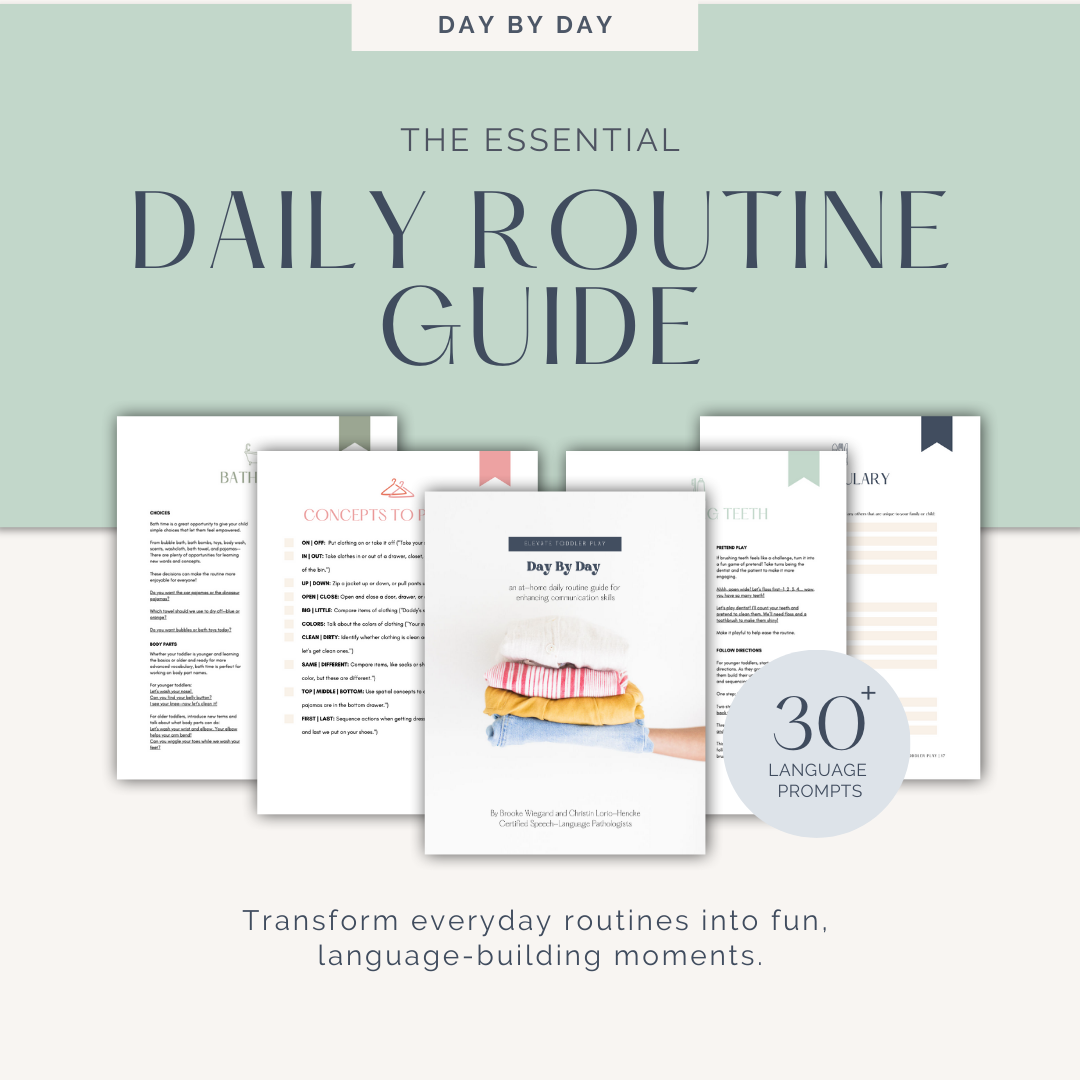
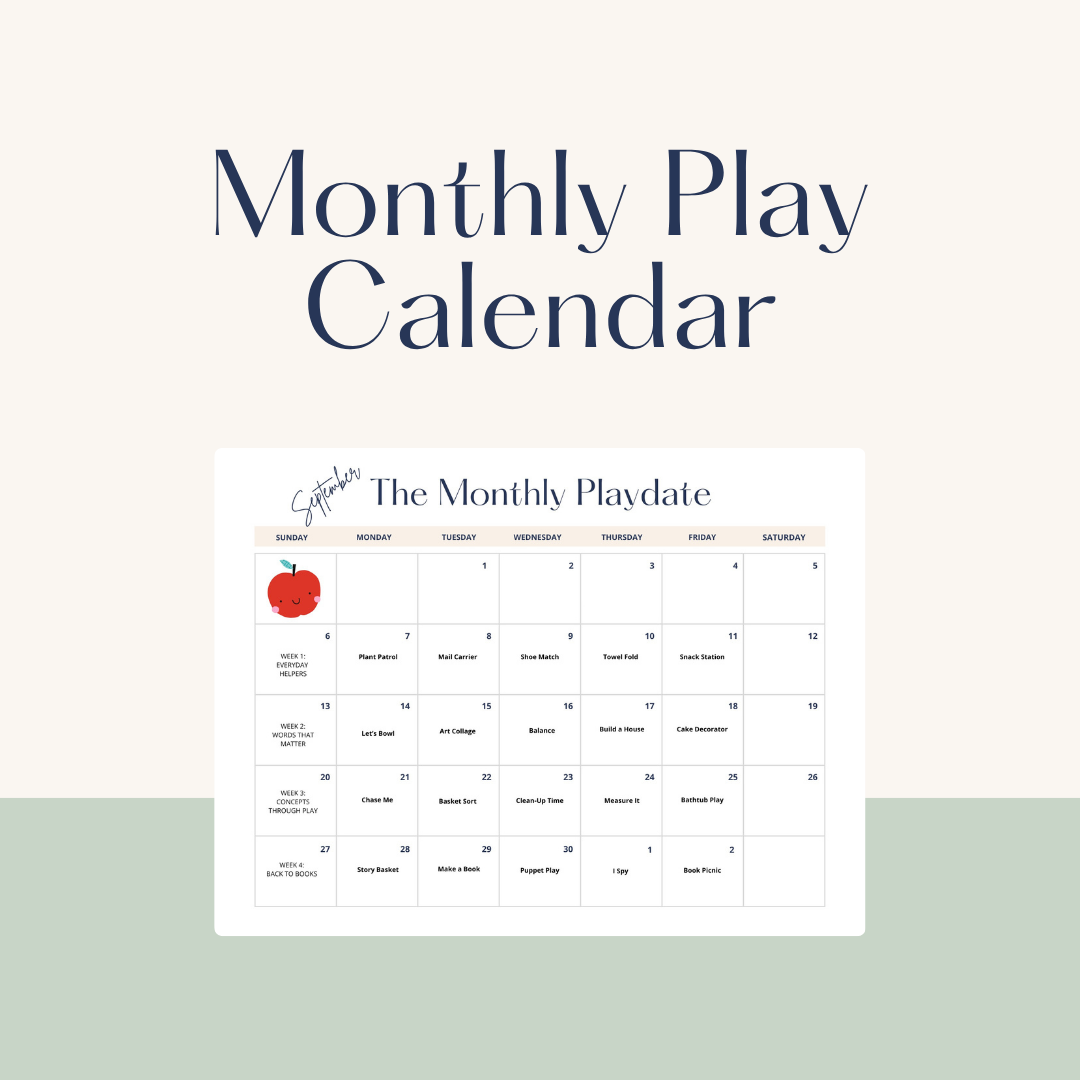
Ready to transform playtime into a powerful learning experience? The Play Guide is purposefully designed to give you everything you need from play prompts, early learning concepts, and clinically supported strategies to boost your child's language and communication skills right at home.
Your child learns best from you, and we’re here to give you simple, effective tools to make every play session intentional and impactful. Created by a licensed speech-language pathologist, this guide is backed by research and available at an affordable price, making it accessible for all parents.
What's Inside:
Toy Guide Collection — This easy-to-follow section is your go-to resource for 10 common toys. I’ll guide you through play-based language activities, teach developmentally appropriate concepts, and provide the functional vocabulary you need to build your child’s communication skills. You’ll get practical tips and specific words to model with each toy.
Featured toys include: Farm, bubbles, blocks, balls, house, vehicles, dolls/stuffed animals, nesting + stacking, kitchen + food, and musical instruments.
The Strategies — Get strategic with play! I share the same top 10 tips that I use in therapy sessions to help you create meaningful verbal interactions and teach early language concepts. The best part? You can apply these strategies anytime, anywhere, and with any toy or daily routine.
Play Resources — Stay on track and measure your progress with interactive checklists, reflective worksheets, and journaling prompts. This section is designed to guide you while offering plenty of room for you to customize your approach and make the experience your own.
This 77-page guide is delivered as a digital PDF immediately upon purchase, perfect for printing at home or at your local print shop.
Why wait? Start making the most of playtime today and see the difference in your child's language development.